Ethical Blog Post 1 - Ethical Concerns

Dove Body Wash Ad


Image result for dove body wash controversy
Current Ethically Concerning Ad (2017)
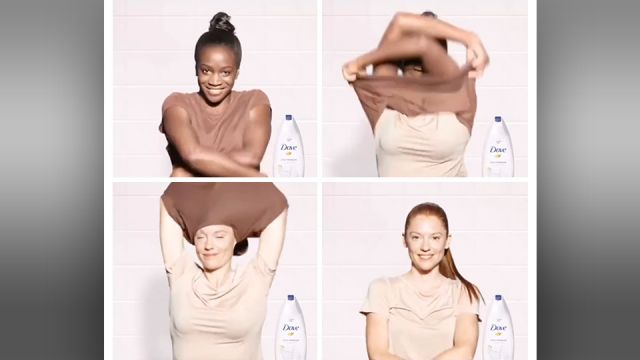
There are tons of ethically concerning ads out in the world, if you take the time to watch this Dove Body Wash Ad you can see where the concern comes from. This ad was posted to facebook and at the beginning of the ad there is a black woman who removes her brown shirt and then underneath there is a white woman in a light shirt. The Facebook ad, a three-second GIF, featured three women, each removing her shirt to reveal the next. But it was the transition from a black woman to a white woman that caused people stop and call it racist. Race and ethnicity is, and will continue to be a touchy subject with a fine line to walk on for marketers. It seems as if  Dove is saying that black women are considered "dirty" and by using their products can be cleansed into whiteness, giving white women the superiority. 

Image result for dove body wash ad
First Ethically Concerning Ad (2011)
This is also not the first time Dove has been branded with the title of racist. Before this ad aired in 2017 there was another ad that showed three women standing next to each other, the first having darker skin, the middle a little lighter and the last woman lighter than her. Behind them were signs that read “Before” and “After”, the "before" sign behind the black woman and the "after" sign behind the white woman and the ad read “Visibly more beautiful skin” denoting that black women are less than white women.

Going back to the more recent ad Dove made; as far as marketing strategy goes I think they were on the right track. The ad was attempting to convey that Dove Body Wash is for every woman and can be used on all skin types. I think they were trying to bring diversity into their ad. Clearly this ad has sparked a lot of controversy since it first aired in 2017 and has since been taken down. So no, unfortunately it did not do what Dove intended it to do and it was not effective.

However I can definitely see why they went with this approach. They wanted people to know that they make products for everyone, and all skin types.  The complete, 30-second television commercial actually showed seven models, of various ethnic backgrounds. People were focusing so much on the transition between the black woman and white woman that no one mentions the transition between the white woman and next woman who is of a different ethnicity, as well as the next four. But this then leads me to wonder, what if Dove re-ordered all the women in this ad. What if the white woman was first and the black woman was second? Or what if they were 3 women apart? Would people still think that this ad is considered racist? Or would they see that Dove was trying to convey the message that their body wash is for women of all skin types.


References:

https://www.nytimes.com/2017/10/08/business/dove-ad-racist.html

Comments

  1. I will place my comment on here but also in the thread as I am not sure which one is the correct spot to comment. First your blog is alot better laid out than mine. I have never blogged before, and maybe it is the site I choose, but it is plain looking even though I tried different backgrounds, and the picture will not load rather takes you to another window. Your chosen ad is a great example on how diversity if not done correctly, can be much worse for the company than beneficial. It does look like the company wants to showcase that their products reduce skin imperfections, but as you said doing multiple side by sides one next to each woman for before and one after on the other side would have been better. dove has great products at reasonable costs, so spending a little more time thinking about how their message may be viewed by a consumer would be beneficial to them. A group of people from a random setting or location could even be their test group and say what they feel after viewing each advertisement.

    ReplyDelete
  2. Lena:

    Casey, great topic. The company should have known what kind of backlash it would get. The ad is wrong and unethical in so many ways. The way I see and many people see it, is a woman being dirty "brown" and her cleaning herself with Dove making her clean "white". I do not like the message of this at all, this should have been done in another way. Using skin color is certainly not the way.

    ReplyDelete

Post a Comment

Popular posts from this blog

Skechers Shape-ups: False Advertisement - Social Responsibility

For an ad campaign to be considered socially responsible, the advertising used in the campaign must meet an ethical standard. Corporate social responsibility marketing has been a focus of several major ad campaigns, but if the ads used in the campaign are seen as deceptive by the public, the company is unlikely to be considered socially responsible regardless of the theme of the advertisements.  These days everyone knows that you can't take advertisements at face value. Photoshop, misleading wording, deliberate omission of certain facts -- all frequent techniques that advertisers use to toe the line while they're pushing their product down your throat. In 2012 Skechers paid a $40 million settlement  for its deceptive advertising for Shape-ups, Resistance Runner, Toners, and Tone-ups. They  claimed that tying your shoes was the only thing needed for weight loss.   According to the FTC, Skechers exaggerated claims regarding the shoes' effectiveness, specifically...

Ethical Blog Post 4- "Made From Sugar"

The number one thing you can do to avoid legal issues while advertising and marketing for a product is to make sure the advertisements are not false or misleading. Splenda missed the mark with this one as they claimed their product was "made from sugar".  The Sugar Association asked for an investigation into alternative sweetener Splenda's "Made from Sugar" slogan. It complained that the tagline was misleading, and that the sweetener is nothing more than "highly processed chemical compound made in a factory". In 2007, a resulting lawsuit led by the makers of rival sweetener Equal, settled against Splenda. Equal was looking for $200 million from Splenda in the settlement for unfair profits.  The lawsuit says the defendants are trying to convince consumers that Splenda is "unhealthy or unsafe," suggesting they'd be better off consuming refined sugar.  But a McNeil spokeswoman says sugar is indeed used to make one of the ingredients in Spl...